
Colleges and Universities
Explore STEM Resources for Colleges, Universities, and Technical and Vocational Institutions.
Act Now!

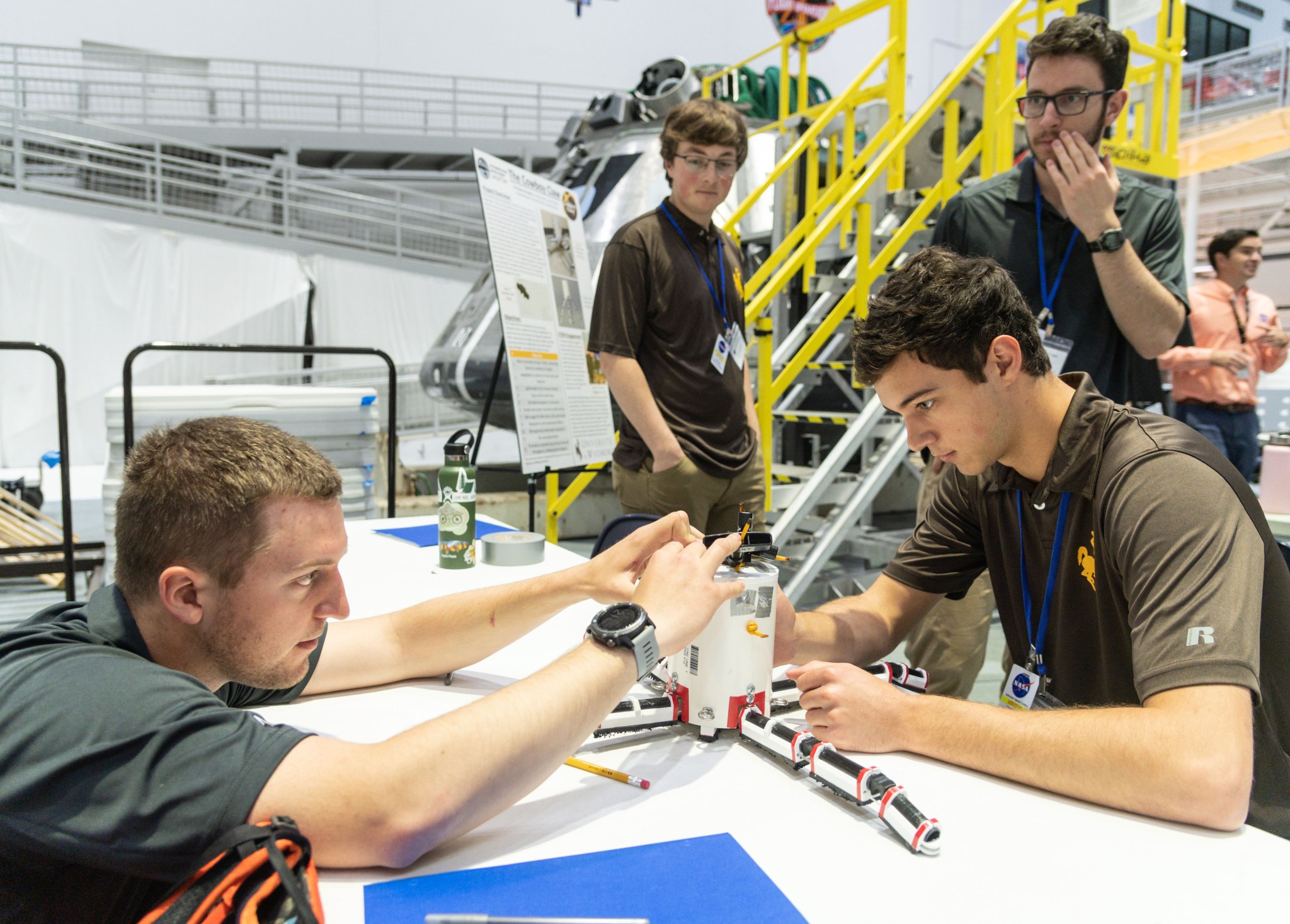
NASA L’SPACE Program – Summer 2024
The NASA Lucy Student Pathway Accelerator and Competency Enabler (L'SPACE) Program is a free, online, interactive program for students interested in pursuing a career with NASA or other space organizations. Application Deadline: May 5
Teacher Appreciation Week: May 6-10
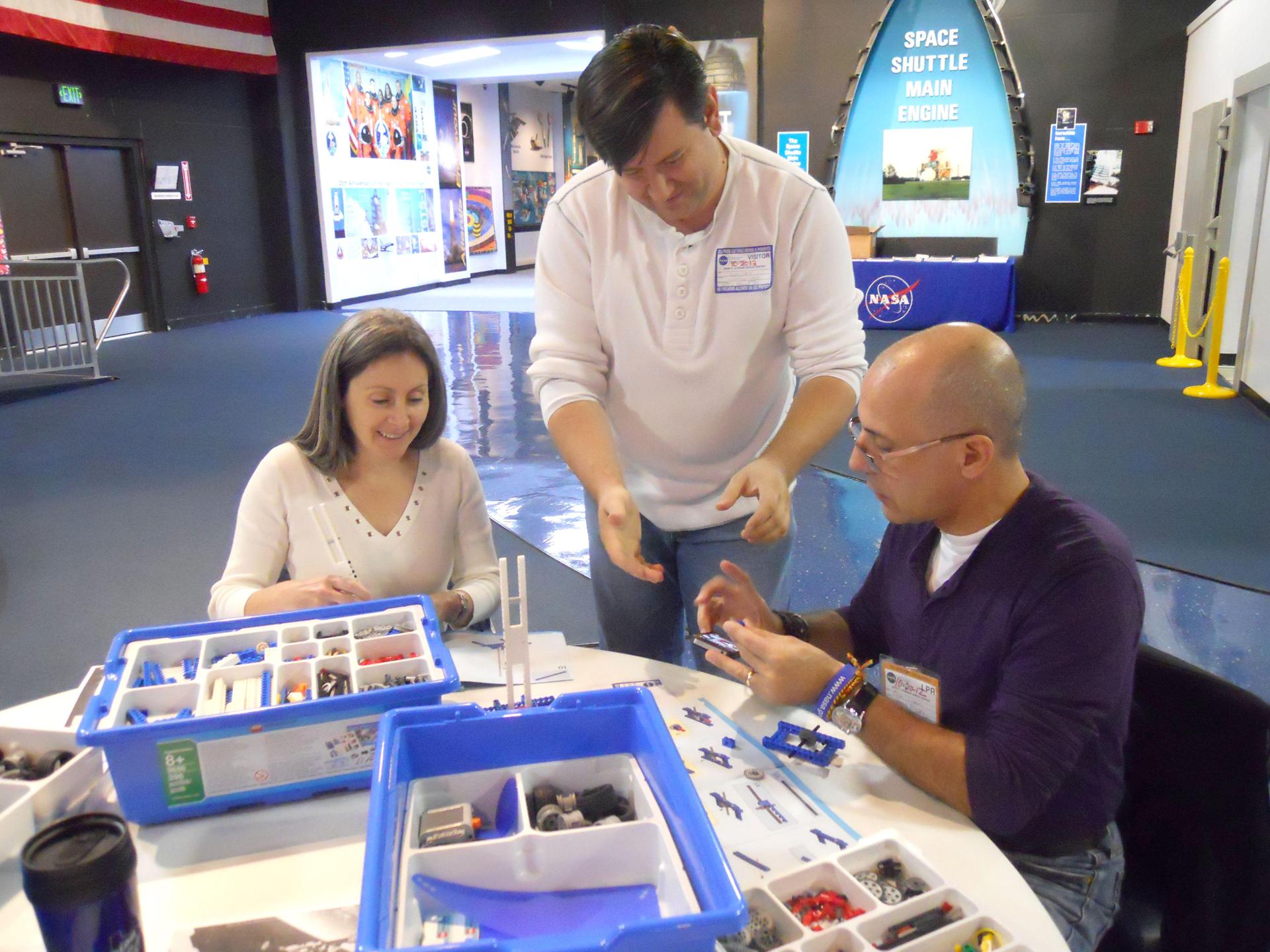
In honor of Teacher Appreciation Week, we're highlighting some of the ways teachers have inspired our scientists and engineers as well as resources to help teachers foster the next generation of space explorers.

NASA’s Global Precipitation Measurement (GPM) Mission “10 in 10” Webinar Series
In this month's webinar of the series, we’ll explore Earth’s weather and climate through the lens of NASA. Learn the difference between weather and climate, why it’s challenging to accurately predict the weather, and explore different weather and climate models. Event Date: May 9
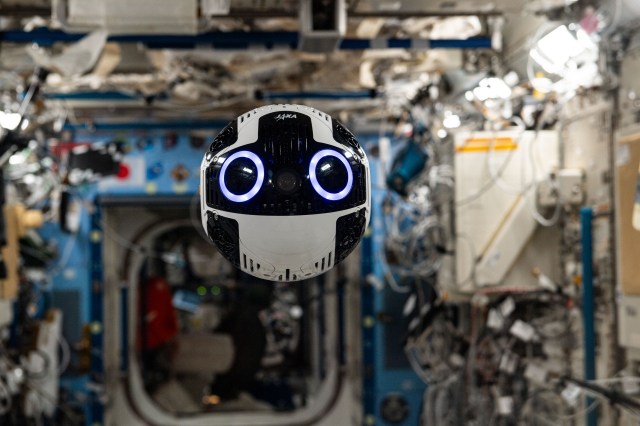
2024 Kibo Robot Programming Challenge – Call for U.S. Teams
The Kibo Robot Programming Challenge invites teams of students from around the world to create programs to move free-flying robots known as Astrobees on the International Space Station. The competition presents tasks/obstacles for students to solve using the space station’s Kibo module as a game space. Registration Deadline: May 13
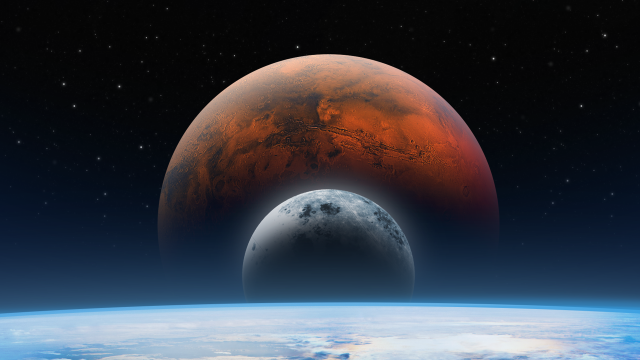
Shape the Future of Space Technology With NASA
NASA’s Space Technology Mission Directorate (STMD) is refining its strategy for prioritizing technology investments, evolving into a stronger and more resilient national tech base for civil space. STMD’s new annual process gathers feedback from the American aerospace community about their most pressing shortfalls, or identified technology areas requiring further development to meet future exploration, science, and other mission needs. Feedback Submission Deadline: May 13
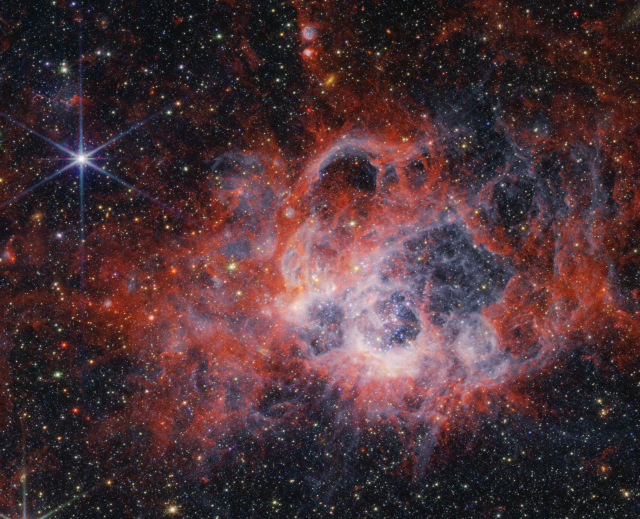
Celebrate International Astronomy Day!
Find skywatching tips and resources in preparation of International Astronomy Day. Event Date: May 18
Contact Opportunity: Amateur Radio on the International Space Station
ARISS-US is accepting proposals from U.S. schools, museums, and community youth organizations (working individually or together) to host an amateur radio contact with an astronaut aboard the International Space Station between Jan. 1 and June 30, 2025. Proposal Deadline: May 19
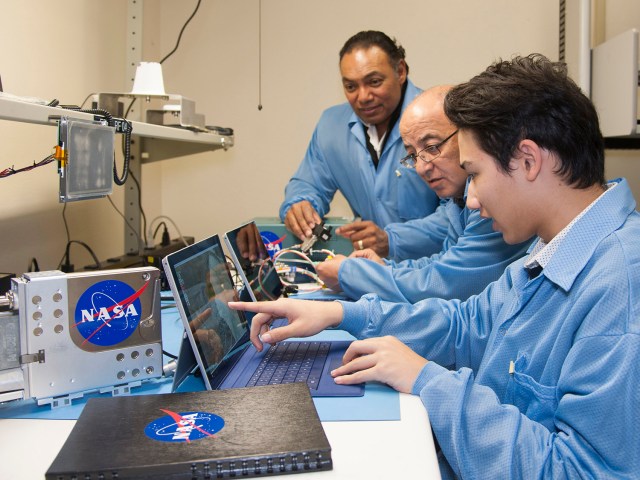
Call for Proposals: NASA's Aeronautics Research Mission Directorate's University Leadership Initiative
The University Leadership Initiative provides the opportunity for university teams to exercise leadership in proposing technical challenges, defining multidisciplinary solutions, establishing peer review mechanisms, and applying innovative strategies to strengthen research impact. Proposal Deadline: May 29
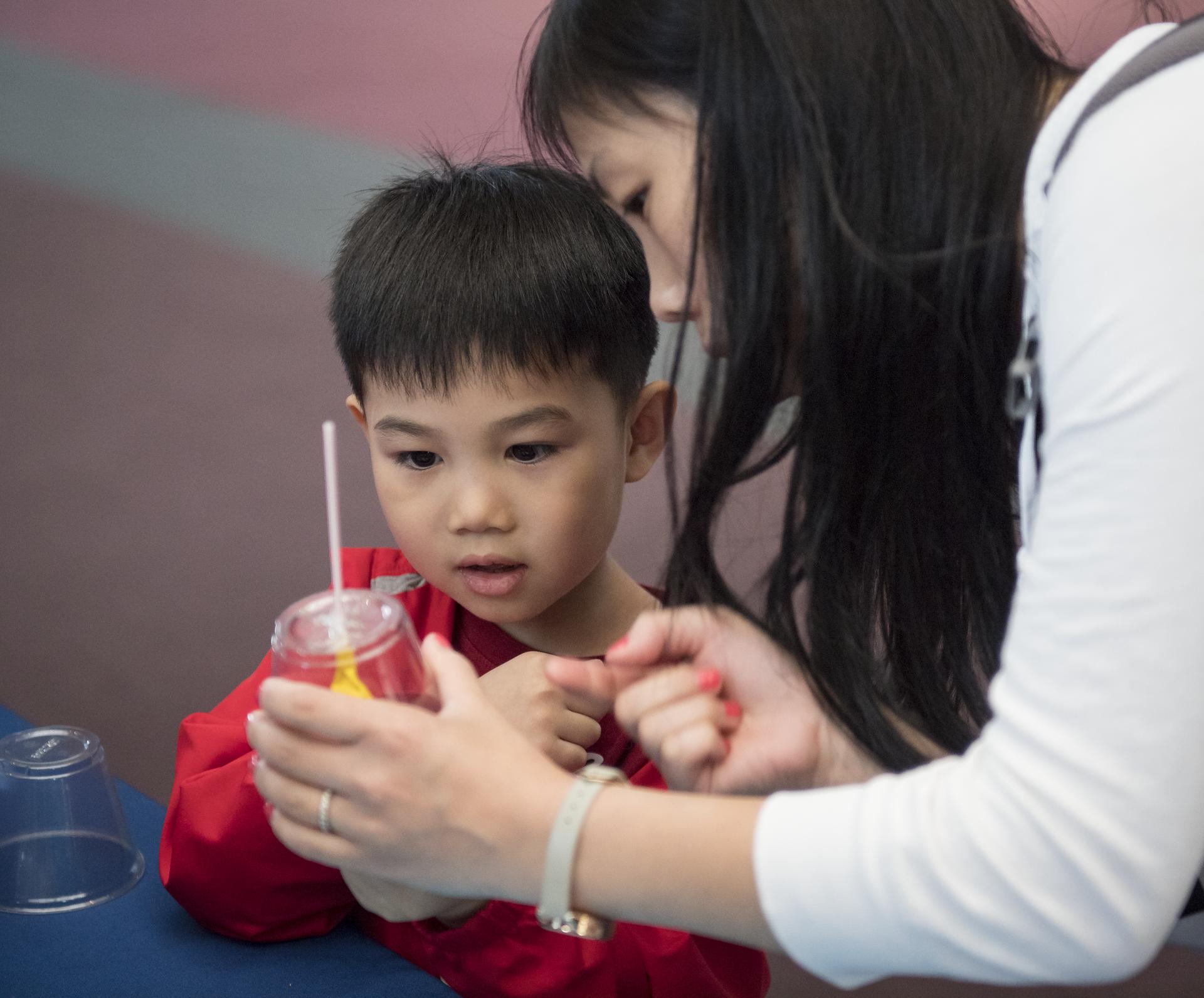
Bring Space Exploration to Your Classroom With NASA’s Artifact Module
NASA’s Artifact Program offers your organization the opportunity to enhance STEM education and spark curiosity in future innovators by bringing authentic space artifacts into your classroom or exhibit. Enrich your curriculum with various historical items from NASA’s collection, from spacecraft models and mission equipment to astronaut gear and engineering instruments. Request Deadline: June 7
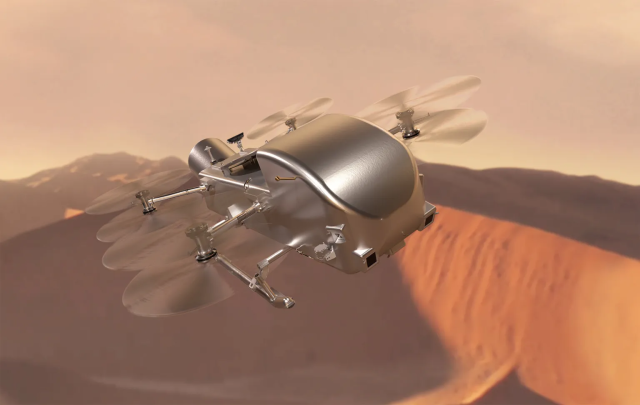
Dragonfly Student and Early Career Investigator Program
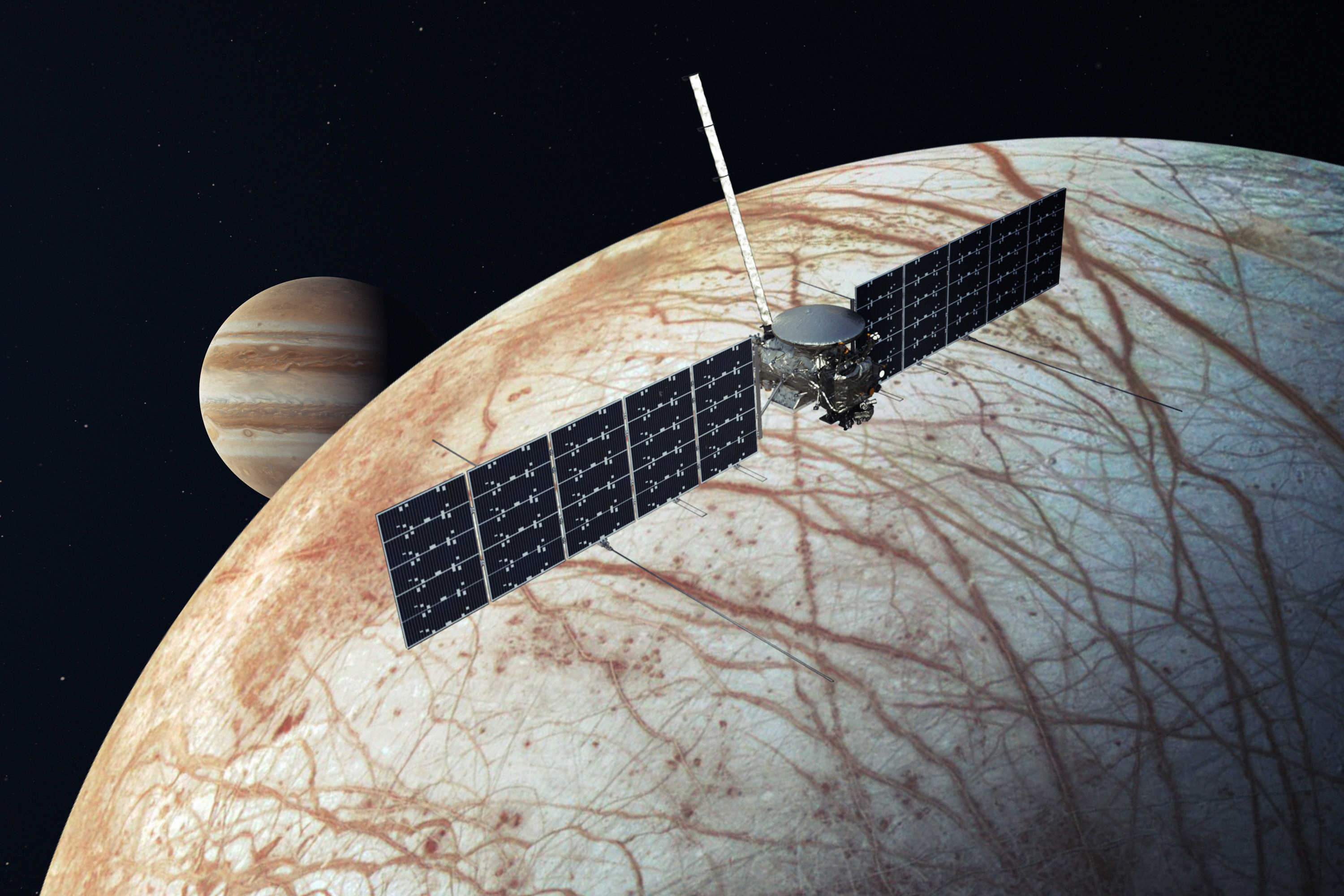
Set to launch in 2028, NASA’s Dragonfly mission will send a rotorcraft lander to explore a variety of locations on Saturn’s moon Titan. Graduate students are invited to apply for a two-year term to work with Dragonfly mission team members to conduct Titan research, help formulate Dragonfly mission science and operations plans, or assist in the development of instrumentation, hardware, or testing. Application Deadline: June 10
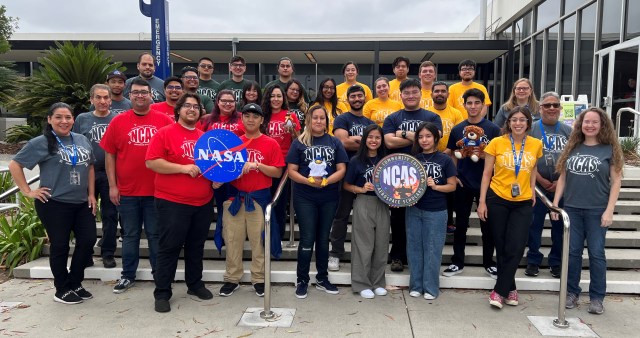
NASA Community College Aerospace Scholars –Mission 1: Discover
NASA Community College Aerospace Scholars (NCAS) supports community college students seeking to transfer to a four-year institution or go directly to the labor force by engaging them in authentic learning experiences. Applications for Mission 1: Discover are open now. Participants will take part in a five-week, self-paced online course introducing scholars to NASA missions and research. Application Deadline: June 10
NASA International Space Apps Challenge Seeks Local Leads for 2024 Hackathon
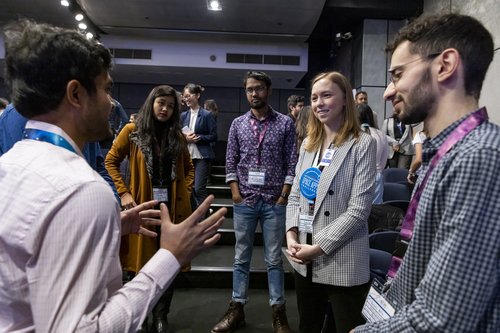
The NASA International Space Apps Challenge is in search of Local Leads for the 2024 hackathon taking place in October. Local Leads work alongside NASA and the Space Apps Global Organizing Team to organize the Space Apps Challenge for a specific city or town. This includes planning a virtual or in-person local event, supporting local participants, and coordinating local collaborators, judges, and community members. Application Deadline: June 15
NASA's Open Science 101 Curriculum
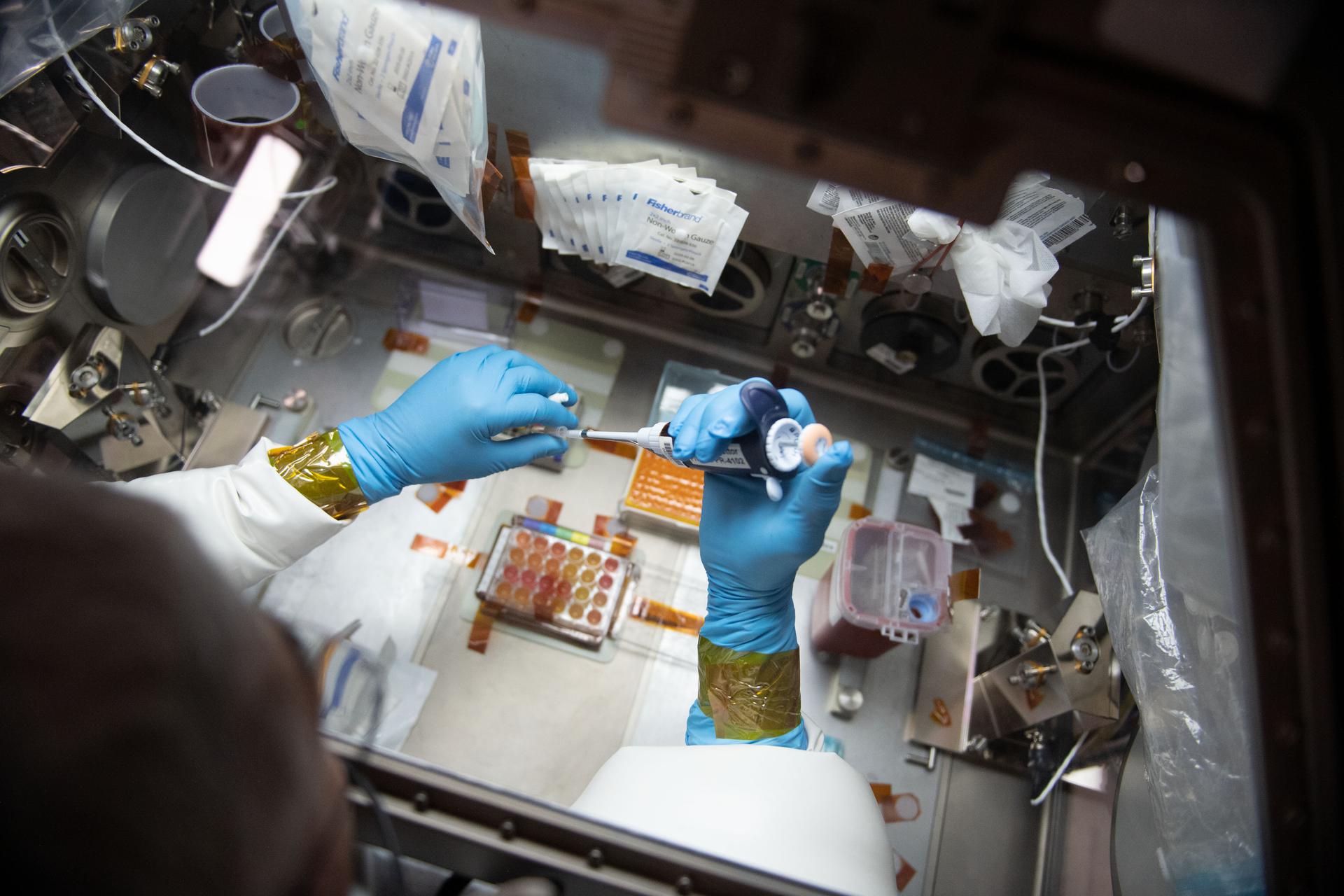
Sign up for a 5-module curriculum designed to equip researchers, students and citizen scientists with the knowledge and skills to navigate the principles and practices of open science, including developing an open science and data management plan. Expand your Open Science expertise and equip yourself with the essential skills required to excel in the realm of open science. Sign up today to embark on your journey towards advancing your open science proficiency and gain your NASA Open Science Certification.
Be a NASA Intern
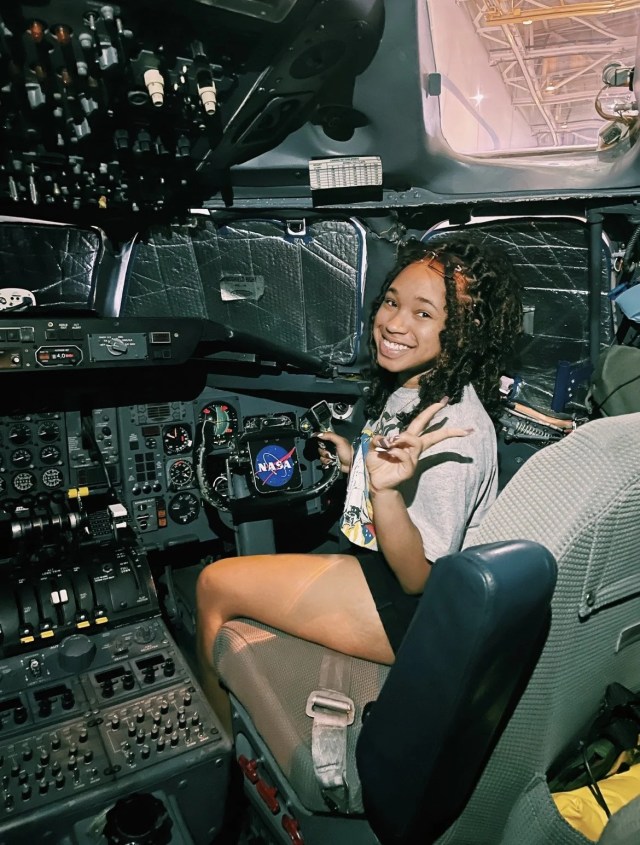
NASA Office of STEM Engagement paid internships allow high school and college-level students to contribute to agency projects under the guidance of a NASA mentor.
Apply Now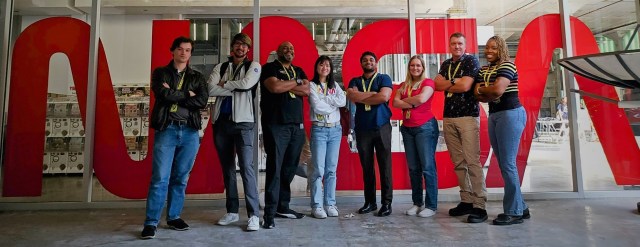
NASA STEM Engagement Funding Opportunities

MSI Exchange
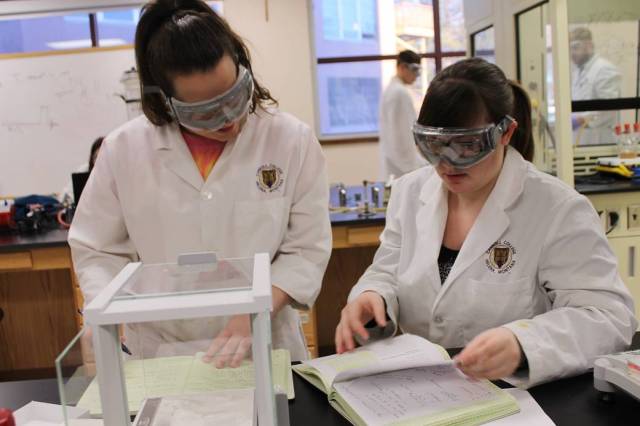
The Minority Serving Institutions Exchange (MSI) is a tool that supports your search for innovative and diverse academic collaborators by curating STEM offerings and capability statements of MSIs nationwide. The MSI Exchange can inform partnerships for teaming opportunities and competitive federal awards such as contracts, cooperative agreements, and grants.
Learn More about MSI Exchange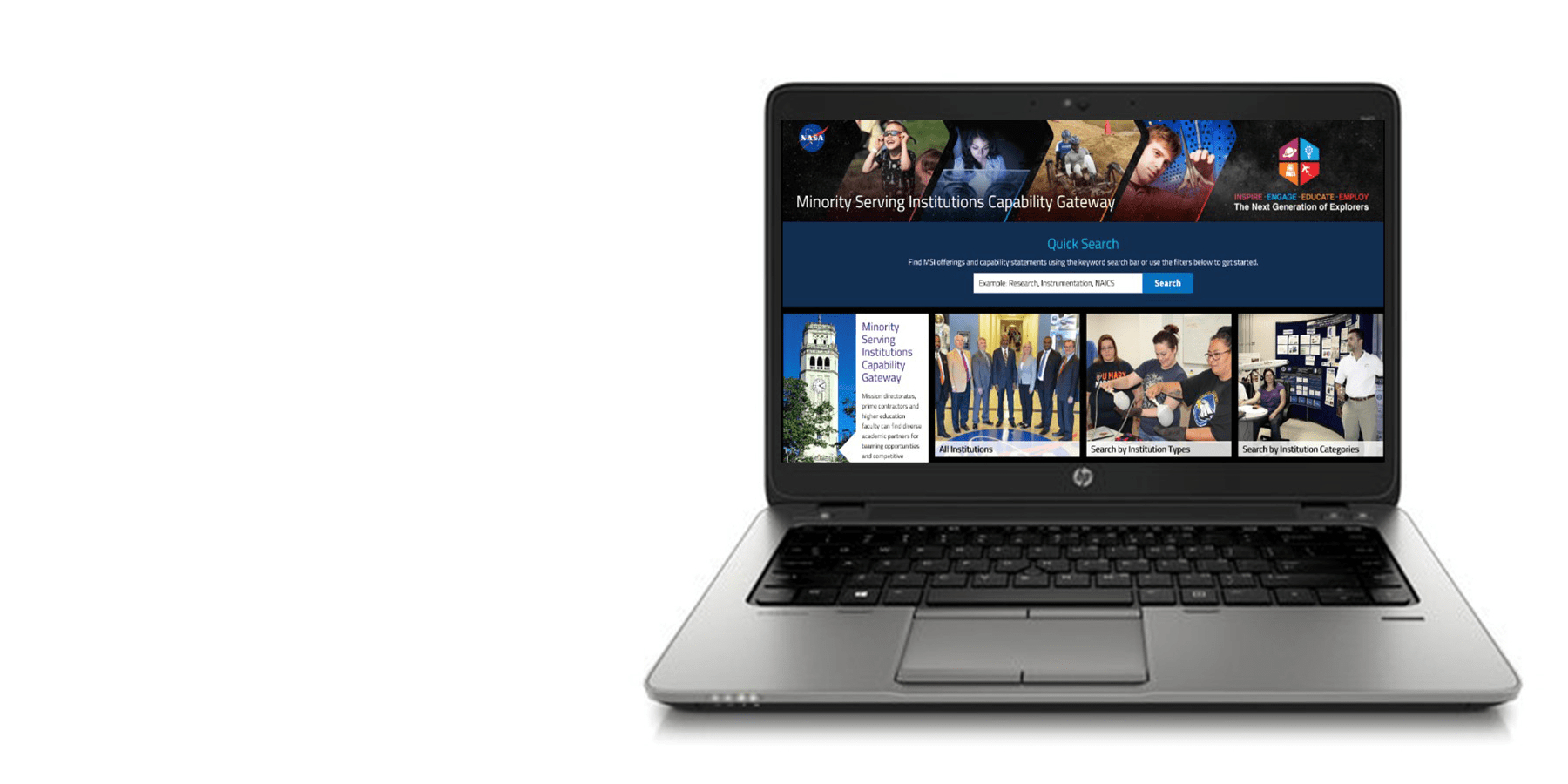
NASA STEM Opportunities and Activities For Students
Multiple challenges and opportunities reaching a broad audience of middle and high schools, colleges, and universities across the nation.
RMC: Lunabotics Competition
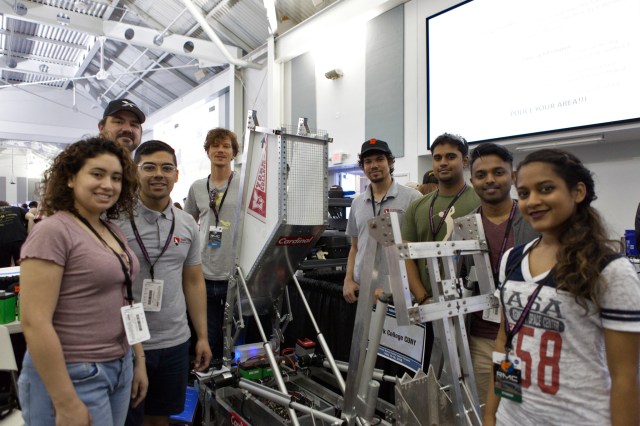
This is a university-level competition for teams to use the NASA Systems Engineering Process to design, build, and operate a Lunar robot.
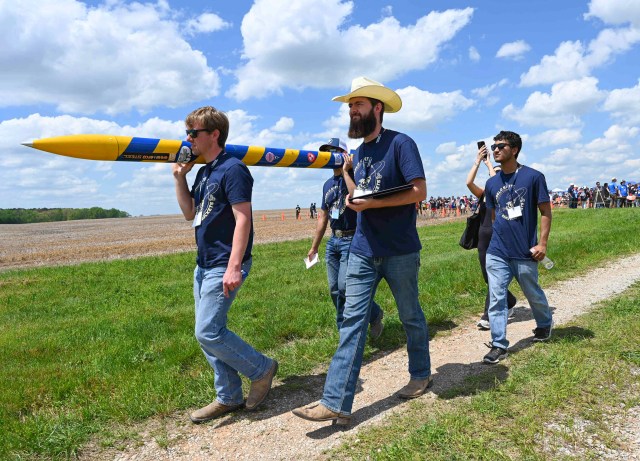
NASA Student Launch Challenge
Student Launch is a research-based, competitive, experiential exploration activity. This project offers multiple challenges reaching a broad audience of middle and high schools, colleges, and universities across the nation.
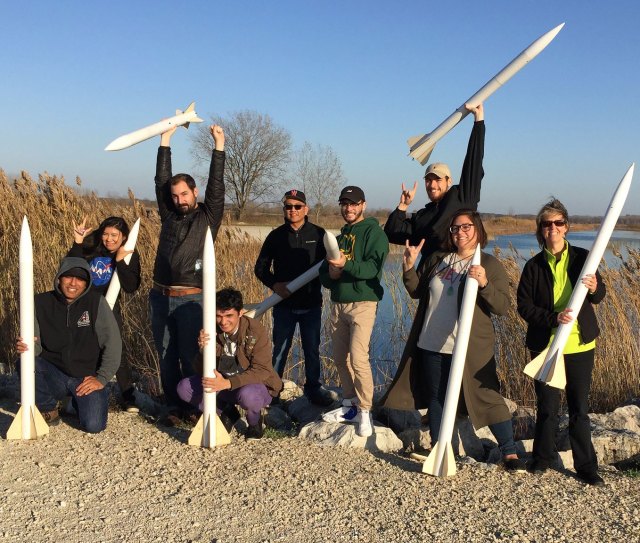
First Nations Launch
This competition is an opportunity for students attending a Tribal College or University, a Native American-Serving Nontribal Institution, or who are members of an active American Indian Science and Engineering Society collegiate chapter to design, build, and fly a high-powered rocket.
Explore Careers at NASA
Interested in working at NASA? Start now to be part of NASA’s future. Visit the Careers page to learn more about exciting opportunities at NASA.
Learn More about Explore Careers at NASA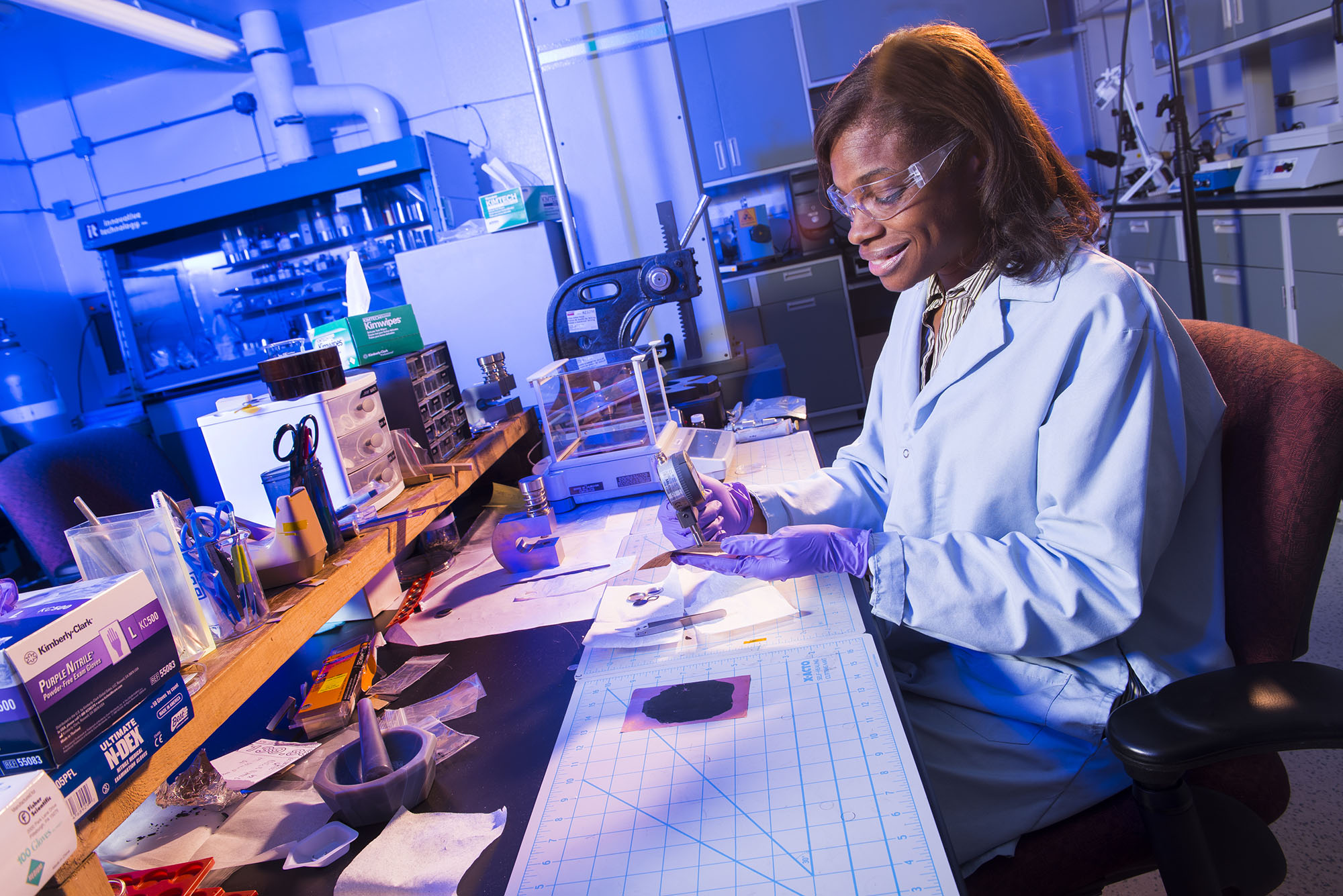
NASA's Impact on Our Lives
NASA’s Technology Transfer program ensures that technologies developed for missions in exploration and discovery are broadly available to the public, maximizing the benefit to the nation. From eco-friendly food alternatives to precision eye surgery, the list of NASA spinoffs goes on for lightyears!
Learn More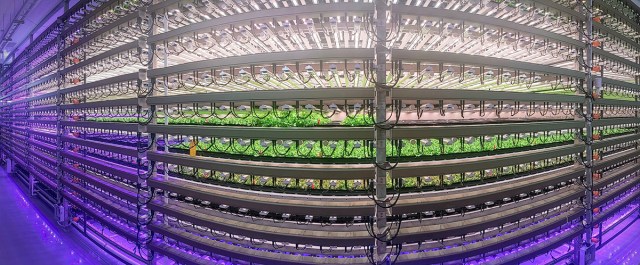
Get Your Research On The Station
Reference information and resources to provide insight into sending your science experiment or technology demonstration to the space station.
Conducting research on the ISS National Laboratory demonstrates to U.S. citizens and the world that space is accessible, affordable, and capable of supporting the research and development necessary to make the fundamental business case for sustainable industrial demand in low Earth orbit.
Learn More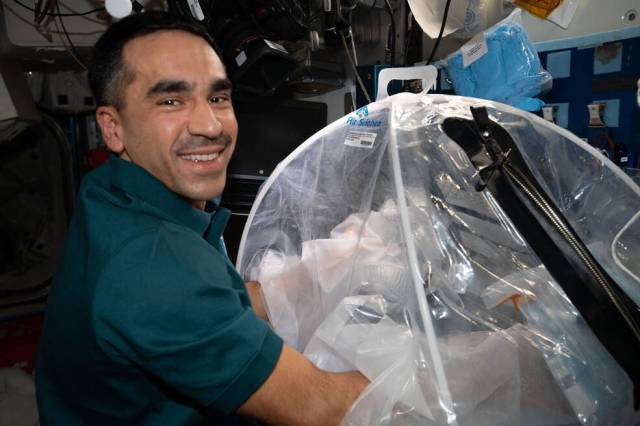
Research Opportunities for Professionals
Find Opportunities for Funding and More
Supporting research in science and technology is an important part of NASA’s overall mission.
Learn More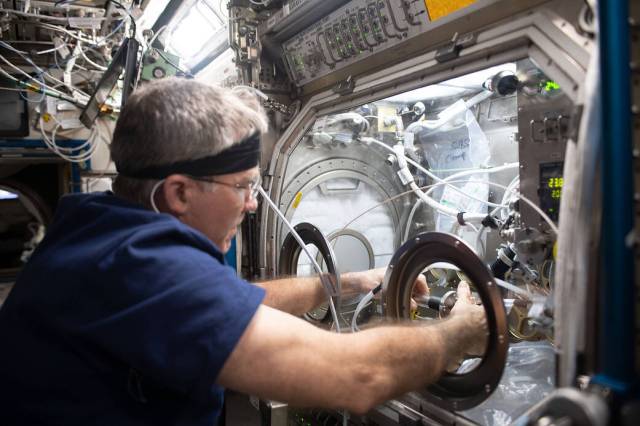
Science Activation
NASA Science Events and Activities
Let NASA’s Science Activation program bring the universe to you! We’re inviting every student, educator, and lifelong learner to share in the excitement of scientific discovery and space exploration through these unique opportunities. Science Activation reaches learners in all 50 states and more than 110 countries around the world.
Learn More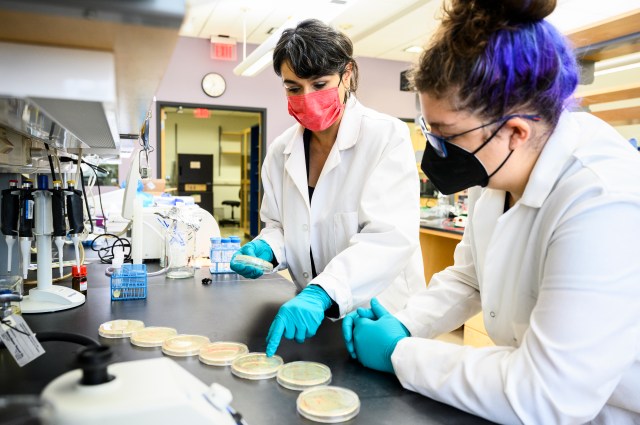
Citizen Science
NASA’s citizen science projects are collaborations between scientists and interested members of the public.
Through these collaborations, volunteers (known as citizen scientists) have helped make thousands of important scientific discoveries. More than 410 NASA citizen scientists have been named as co-authors on refereed scientific publications. NASA citizen science projects are open to everyone around the world, not limited to U.S. citizens or residents.
Learn More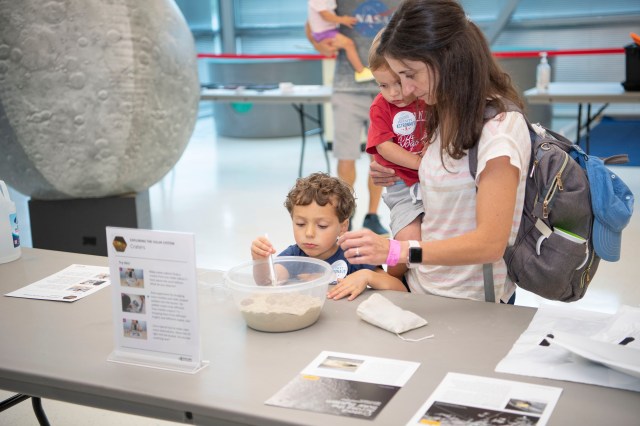
NASA+
Now Available: NASA+, a new ad-free, no-cost, family-friendly streaming service that embeds you into our missions through new original video series.
Start Exploring NASA+ about NASA+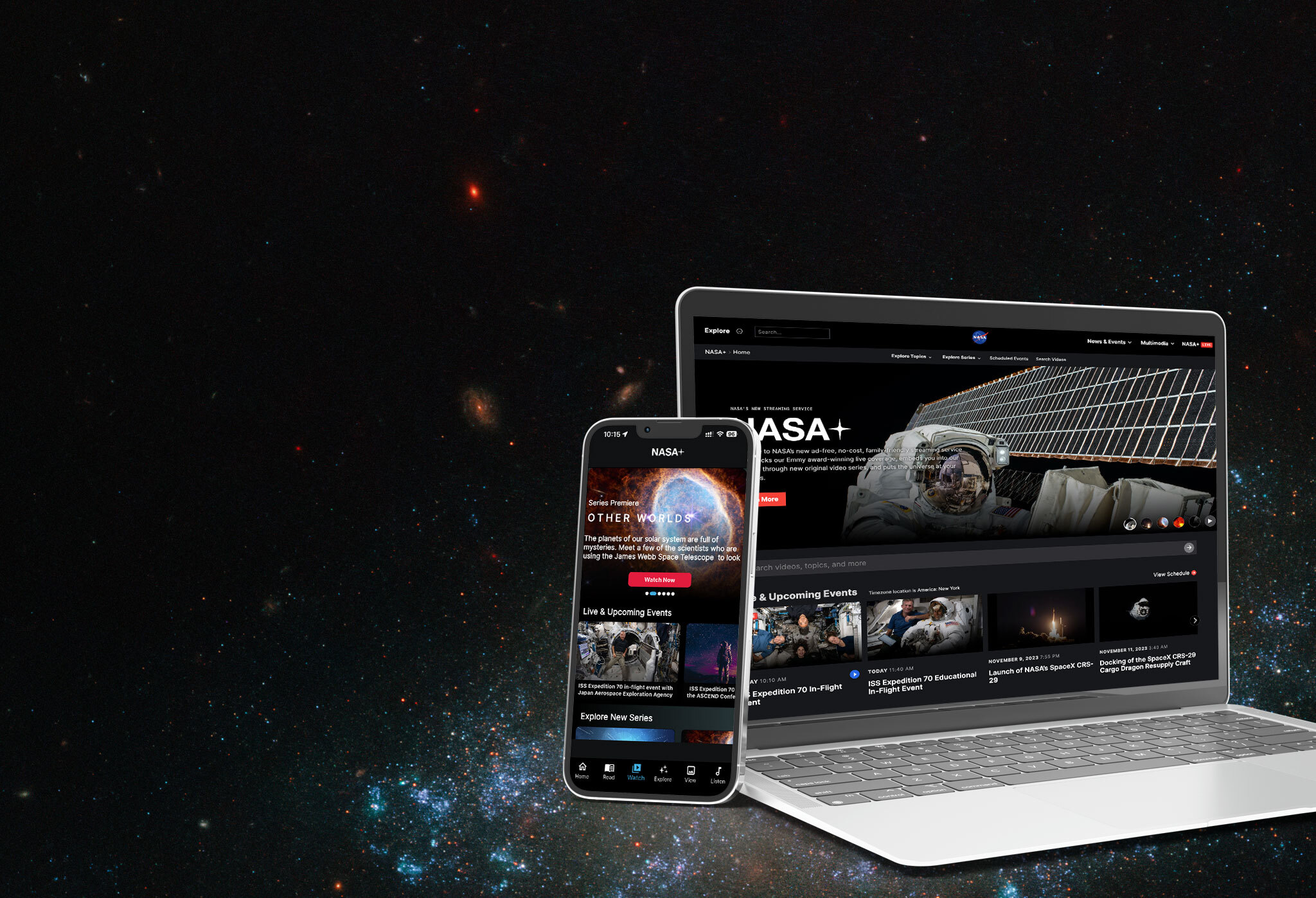
Get Social With NASA
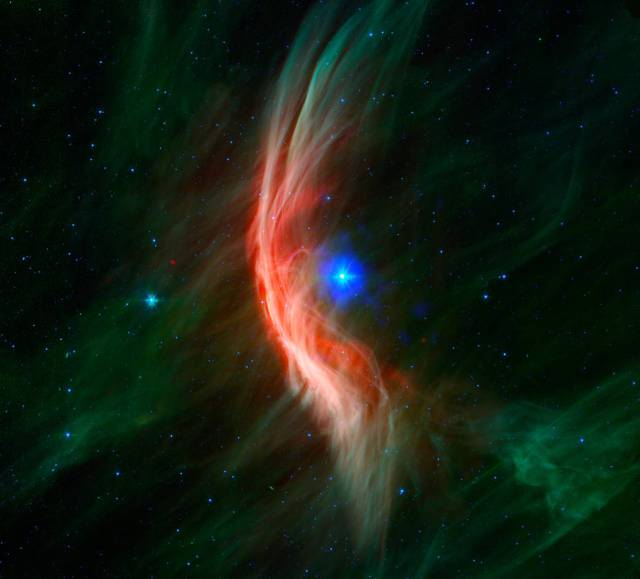
NASA Podcast on Spotify
From interviews with astronauts to narrative shows that take you on a tour of the galaxy, NASA podcast let you experience the thrill of space exploration without leaving Earth.
Social Media at NASA
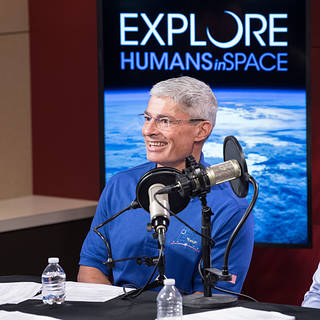
NASA Podcasts
Be NASA's Virtual Guest!
NASA e-books
NASA Blogs
Join the Artemis Mission to the Moon
Make, launch, teach, compete and learn. Find your favorite way to be part of the Artemis mission.
Go to the Website about Join the Artemis Mission to the Moon